

Rural clinicians managing a critical care situation face challenges distinct from — and often more complex than — those of caring for the same patient in an urban setting. Care teams often know their patients personally as friends, neighbours, or colleagues, which can add emotional weight to already high-pressure situations. Resources also differ: rural hospitals typically don’t have the same range of on-site specialists, meaning providers must work as broad generalists, prepared to respond to a wide spectrum of emergencies.
And when a patient needs to be transferred, care becomes even more complex. Coordinating transport often requires close collaboration with ambulance and air services, sometimes across long distances, challenging terrain, and BC’s unpredictable weather.
These realities helped inspire The CARE Course: an emergency care education program designed “by rural, for rural.” Led by Drs Rebecca Lindley and Jel Coward, the two-day course is developed and delivered by an interprofessional faculty of physicians, nurses, and paramedics from across rural BC. Since the inaugural course in 2010, it has been delivered 202 times with more than 4,300 participants, including 2,100 physicians, completing the course to date.
The program is funded by the Joint Standing Committee on Rural Issues (JSC)—one of four Joint Collaborative Committees (JCCs) that bring together Doctors of BC and the provincial government—and delivered through the Rural Coordination Centre of BC (RCCbc). JSC funding supports faculty development, logistics, equipment, and ongoing updates to ensure the program remains accessible and aligned with current clinical evidence.
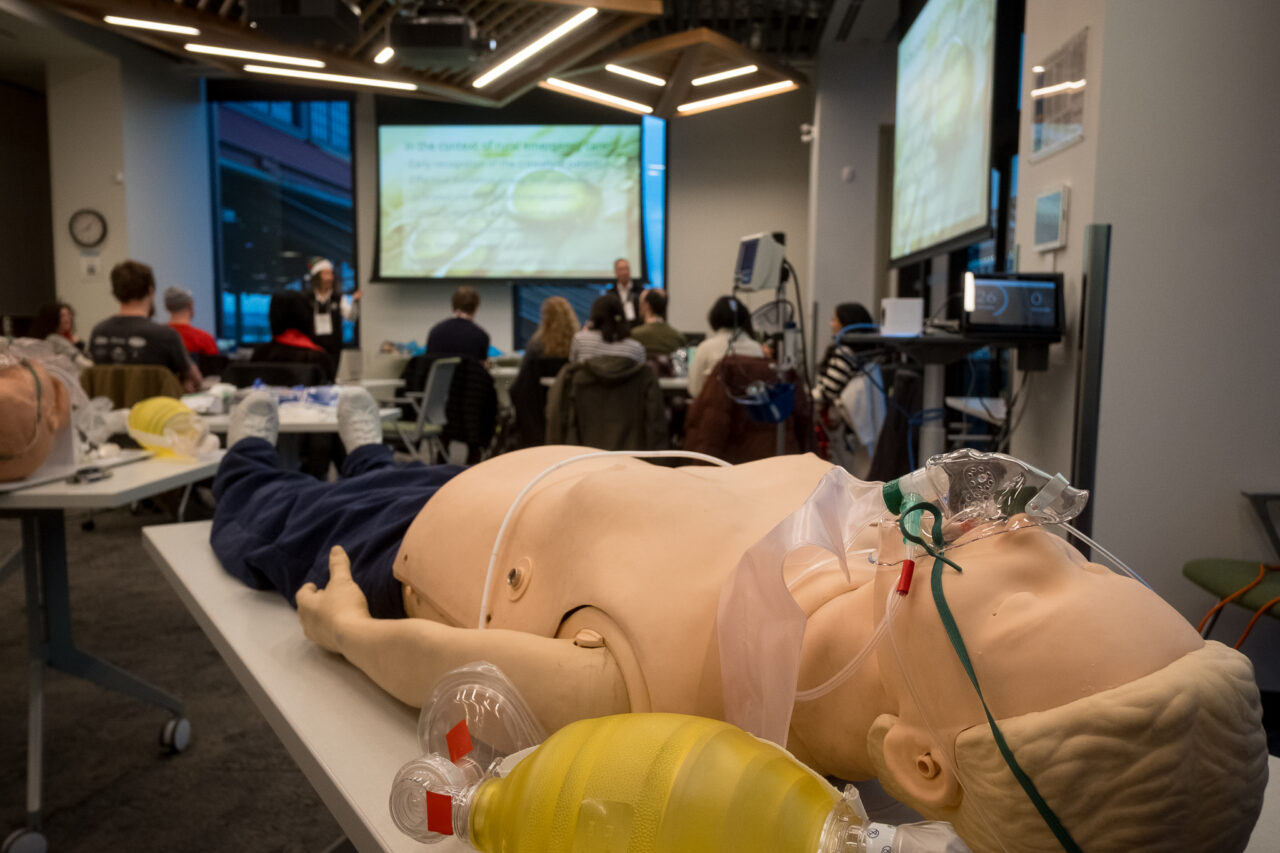
Training for trauma in the community
For rural physicians and health care teams, travelling to urban centres for education can mean days away from already stretched staffing resources. The CARE Course brings education directly into communities where teams live and work.
Delivered over two days, the hands-on program focuses on high-acuity, low-occurrence scenarios, including trauma, cardiac care, obstetrical complications, and pediatric emergencies. Extensive training equipment is brought to each community and used alongside local tools and monitors, helping participants practise with the same resources they rely on in real emergencies.
“The CARE Course was developed around the realities of rural practice—because the people teaching and learning together understand what it is like to show up together when an emergency happens,” says Dr Lindley.
Learning together across professions
A defining feature of The CARE Course is its team-based, interprofessional approach. Rural physicians, nurses, and pre-hospital providers train together, working through emergency scenarios as a coordinated unit. The experience helps clarify roles, strengthen communication, and build trust; all essential when teams are small and resources are limited.
“The interprofessional component is essential,” says Dr Coward. “When teams learn together rather than in professional silos, they function more effectively during real emergencies.”
Clinical guidelines are intentionally adapted for rural environments and distilled into clear, generalist-friendly steps that can be applied in pressure situations. Participants frequently report increased confidence, stronger clinical competence, and greater readiness to respond in their local settings.
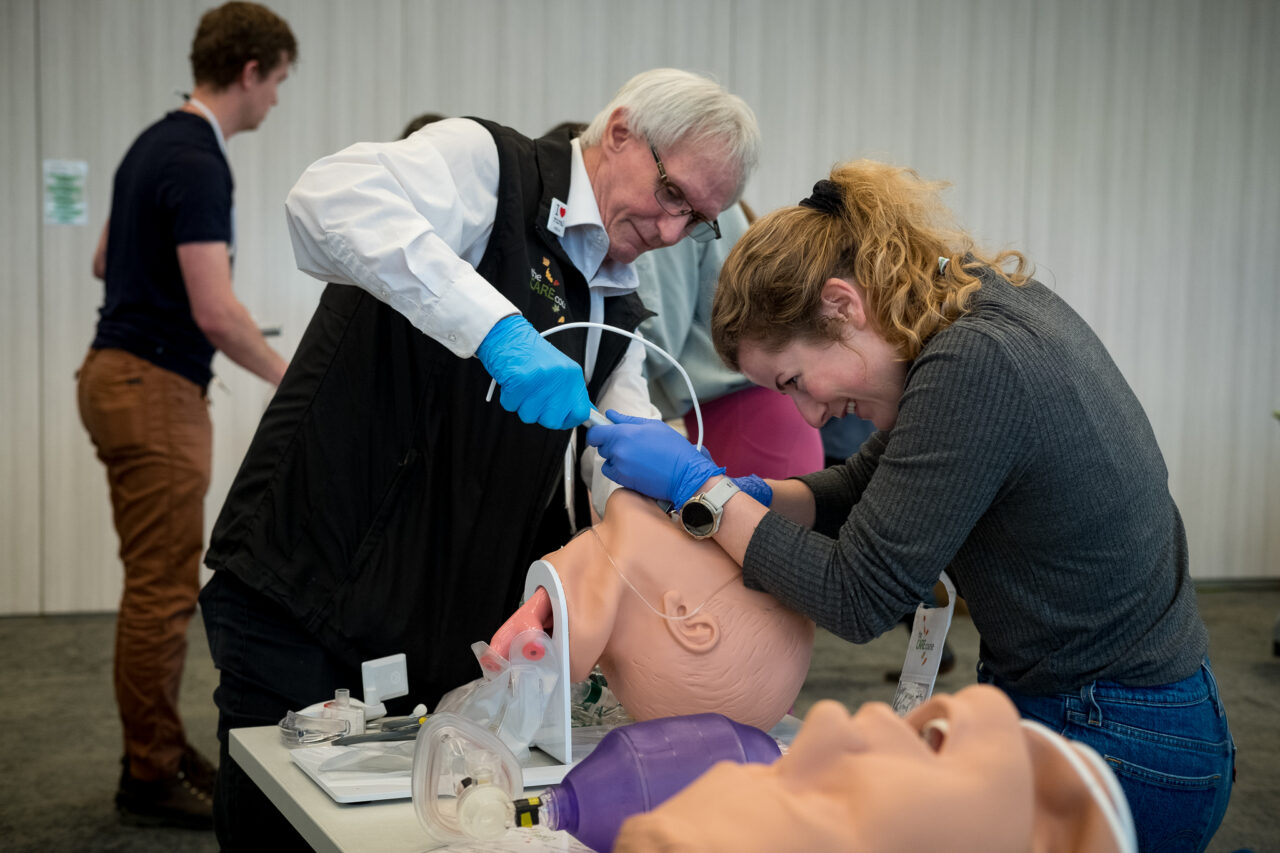
Empowering teams and building capacity
The CARE Course places strong emphasis on psychological safety and collegiality, creating space for clinicians to practise, reflect, and learn from one another. The experience also helps reduce professional isolation, which is a challenge often reported in rural practice.
“My experience participating in The CARE Course has resulted in some of my very best learning. The course goes beyond teaching knowledge and skills—it has transformed my practice,” says one participant.
Beyond clinical training, the course strengthens relationships among local care teams, supporting collaboration, resilience, and professional satisfaction, which are key contributors to retention and sustainable rural care.
At its core, The CARE Course is about more than emergency medicine. It is about building confident teams, supporting local systems, and ensuring rural and remote communities have access to high-quality emergency care close to home.
Learn more: Bring The CARE Course to your community.
About this project:
The CARE Course is funded by Joint Standing Committee on Rural Issues (JSC), one of four Joint Collaborative Committees representing a partnership between Doctors of BC and the Government of BC. Organizational support is provided by the Rural Coordination Centre of BC (RCCbc).